Operate a few solar or wind sites and need equity for the next one? This is for you.
If you run a project vehicle or a small portfolio, you are too small for a bank syndicate and too complicated for a friends-and-family round. The value is in three contracts, and every investor asks for them again. This page is what we do about that.
$305M+ in assets structured and supported · 100+ companies · 20+ countries · founded 2018
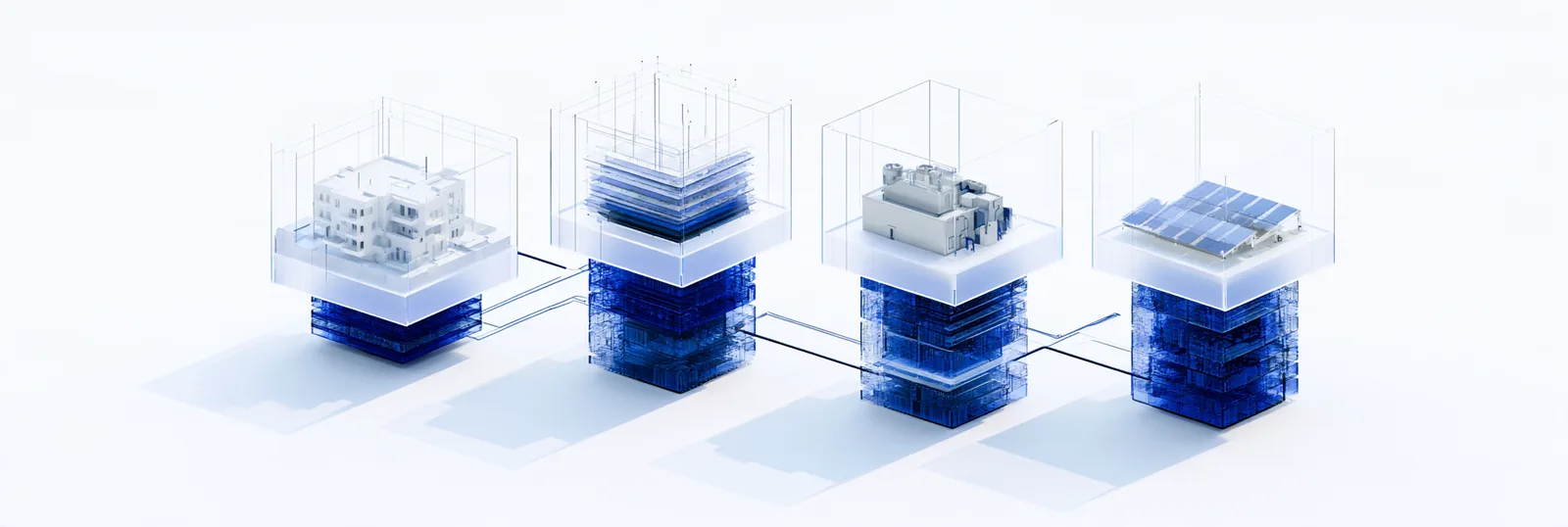
For developers and owners of solar, wind and other generating sites
What renewable energy tokenization changes for you.
Not a demonstration of what we can do. Four things you can do with a power project once the record, the raise and the token are in place.
Fund a small portfolio like one asset
One package for the vehicle, many holders, one register, eligibility written the way the offtake requires.
Pay investors when the power buyer pays you
Money goes from the register to everyone holding on the day, in USDC, a digital dollar, and is recorded as it goes.
Start the next site from the last one's paperwork
The fifth site reuses the file the first sixty investors already read.
Know where you stand in about eight minutes
Twenty-five questions, a score, and the list of what is missing. Free, and nobody calls you.
Your problems, and what we do about them
Why renewable energy tokenization is slow today, and what fixes each problem.
Written in the owner’s words. If yours is not on the list, the readiness score will find it in about eight minutes, and nobody calls you.
The offtake decides who may own the plant
The record reads the offtake and the loan for transfer restrictions before the raise is designed.
No investor admitted who the contracts do not allow.
A plant that is not producing is a plan
Metered output sits next to revenue in the record; a forecast sits at its own tier, and a reader can tell.
A yield a buyer believes because the meter says so.
Small portfolios cannot afford institutional paperwork
The offering is drafted from the record, and a licensed firm runs the sale for a flat fee.
Institutional paperwork at a size that makes sense.
Intelligence · the record
Due diligence for a power project: why you would use Intelligence.
Because a lender wants the three contracts before the spreadsheet.
The three contracts, each with the paper behind it
The generation licence, the agreement with the power buyer and the grid connection each enter the record with whoever issued them. A regulator’s licence counts for more than your own production forecast, and the record shows which is which.
The loan read for the clause that stops deals
Most project loans restrict who may own the borrowing company. The facility agreement is read for that clause first, so your first call is to the lender rather than to a disappointed investor.
What the meter says, next to what the accounts say
Metered output and the revenue in the books, reconciled once, so the return an investor reads is the return the books show.
An example, made up for this page. Say you run three solar sites through one company and want outside equity for a fourth. You upload the licences, the three power agreements, the grid connection agreements, the loan and two years of meter readings. The record shows one power agreement ends before the loan does, and that the lender must consent to any new owner. Both go on the list before the raise is designed. How Intelligence works
Raisable · the raise
Raising capital for a power project: why you would use Raisable.
An example, made up for this page. Say the fourth site needs equity the bank will not lend against yet. Your lawyer picks the exemption, the package is prepared from the record, and eligible investors verify who they are, sign and pay on your own web address while the register fills.
One package for the company that holds the sites
The memorandum describes the sites, the contracts and the output from facts that have already been checked. Your lawyer judges a near-final draft rather than writing one.
Who may invest, written the way your own contracts require
If the power agreement or the loan limits who may own the company, the offering says so and the instrument enforces it, so nobody is admitted who cannot lawfully be there.
A flat fee for the window, never a percentage
A licensed broker-dealer runs any regulated sale. No success fee and no cut of the raise, whatever the size of the portfolio.
Compass · tokenization
How renewable energy tokenization works, and why it makes sense.
Because money should reach investors when the power buyer pays.
-
Paid on the schedule the power agreement sets
Money goes from the register to everyone holding on the day, in USDC, a digital dollar, and each payment is recorded against the same register.
What you get
Money that reaches investors on the date the power contract pays, not when someone runs a report.
-
Rights the contract enforces, not an appendix nobody rereads
Many investors, with eligibility, limits and lock-ups written into the asset and checked every time it moves.
What you get
Rights the asset enforces, rather than an appendix nobody rereads.
-
The next site starts from this file
Site five reuses the file the first sixty investors already read, so year three does not begin with an audit of year one. There is a path to secondary trading through licensed venues, and listing rests with the venue.
What you get
A second raise that starts where the first one finished.
An example, made up for this page. Say the company is held by sixty investors. Each quarter the power buyer pays, the rule distributes from the register, and the file records it. When the fifth site is added, the new investors read the same history the first sixty did. How Compass works
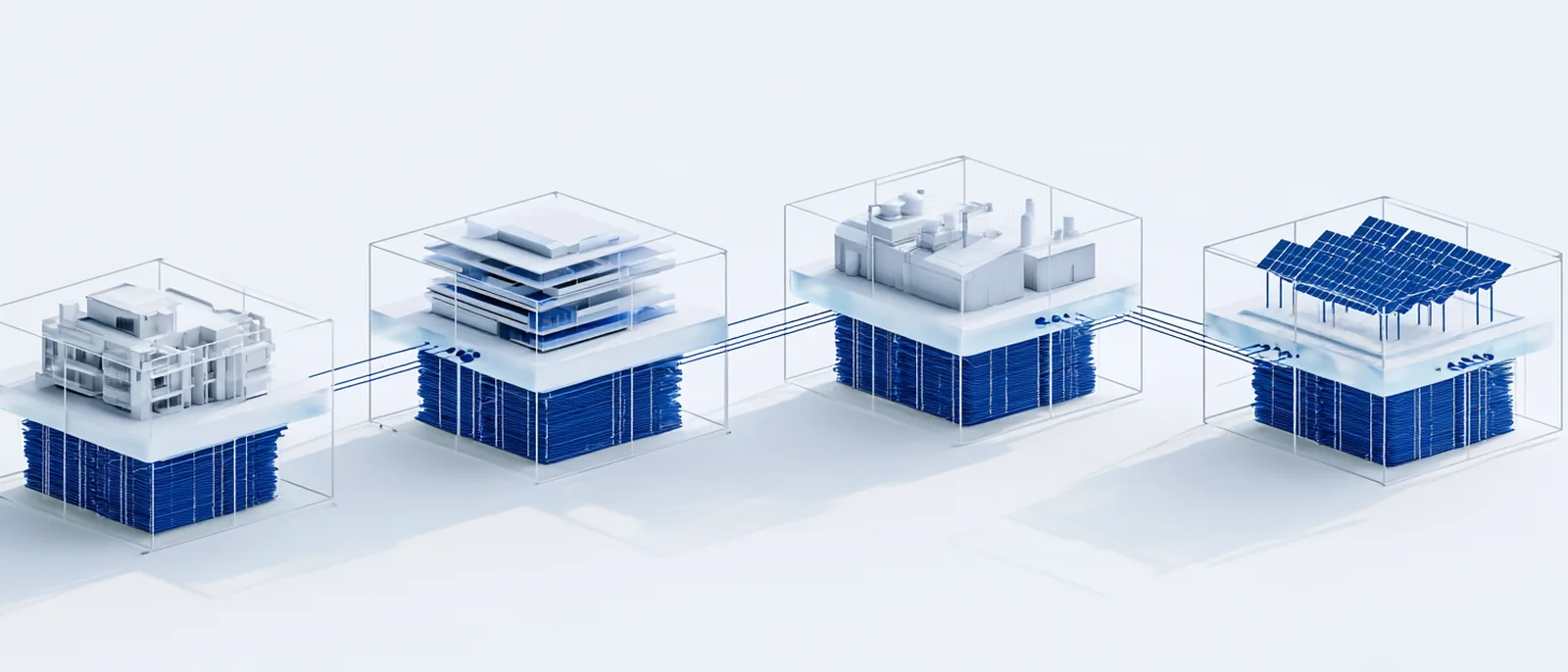
Side by side
Renewable energy tokenization side by side: the same four questions, before and after.
Nothing here needs the rest of the page. If the right column is not worth the work to you, the answer is no, and that is a fine answer.
Who may own the plant
Whoever the lawyer clears, slowly
Whoever the rules admit, checked as it moves
How money reaches investors
A quarterly reconciliation and a bank run
From the register, on the power agreement’s date
Funding a few small sites
Too small for a bank, too big for friends
One package, many investors, one register
The next site
A fresh data room
The same file, extended
Our clients
Renewable energy tokenization case studies: named work, and the marks that go with it.
Energy projects run from a single plant to a national grid connection. Three engagements are below, and the others follow.
PSAK Yuso
Switzerland · Token structuring
We designed the token and the governance rules for renewable energy infrastructure projects: who decides what, and what a holder is actually entitled to.
What that means for you
Investors know who makes decisions before they put money in, not after.
Ravetch Investments
Zimbabwe · Regulatory framework
We engineered a cross-border raise for an energy project, through currency controls and several countries’ rules at the same time.
What that means for you
Money can reach a project in a hard jurisdiction, lawfully, if the route is designed first.
Hundredfold
Liberia · Token structuring
We structured the funding for sustainable forestry, putting the potential carbon credits and the investor rules into one design.
What that means for you
A carbon story is only bankable when the investor side is compliant too.
Our clients in this sector





Every name here is published with the client’s agreement on our case studies. Deal sizes, terms and returns are not ours to publish and are not here. The rest of the client list is private, and we will introduce you to the ones closest to your situation when we speak.
In plain English
Renewable energy tokenization terms: six words this page uses, in plain English.
You do not need any of this to talk to us. It is here because these words get used at you in meetings, and knowing them is worth more than nodding along.
Power purchase agreement
A long contract with someone who agrees to buy the electricity. It is the reason a solar field is financeable and a solar field without one is not.
Offtaker
The party on the other side of that contract. Their credit quality, not yours, is what an investor is really taking a view on.
Grid connection
Permission and physical capacity to put power into the network. Without it the plant is equipment in a field.
Special purpose vehicle
A company created to hold one project and nothing else, so its risks stay separate from everything else you own.
Carbon credit
A tradable certificate for emissions avoided or removed. It is a separate asset from the power, with separate rules and a separate buyer.
Exemption
The rule that allows a private sale of securities to investors. It decides who may invest and how you may reach them.
What you will be asked for
Documents needed for renewable energy tokenization, and who has to have issued them.
Every answer in the record carries its document and a proof tier from T0 to T5. A number you typed and a number from a registry both get in, and they are not stored as though they were equal.
Generation licence and permits
T5A regulator
Agreement with the power buyer
T4Signed by the other side
Grid connection agreement
T4Signed by the other side
Loan agreement and lender consent
T4Signed by the other side
Meter readings and revenue
T3Your books
Where this usually stops: stage 03 · Structure. Offtake contracts and licences define who may hold the instrument. The six stages are on the Compass page. T5 is issued by an authority, T4 is signed by the other side, T3 is your accounting system of record; anything asserted without a document sits at T0, and the score will say so.
When this is not for you
When renewable energy tokenization is not for you: three cases, in advance.
Said here so you can leave without a call. It is cheaper for both sides than discovering it in week six.
A project before its permit and before an agreement with a power buyer.
A loan that forbids any transfer at all. The answer there is refinancing, not issuance.
A development with no grid connection agreement.
Primary sources: Regulation D, Rule 506 – 17 CFR 230.506 · Regulation Crowdfunding – 17 CFR Part 227.

Three steps to a call
Find out where a power project stands.
Start with the score, ask the founder if you want to, then bring it to a call. Prefer email? info@stobox.io.
Score your asset
The Readiness Score: twenty-five questions across seven dimensions, about eight minutes, no email to see the result.
Take the Readiness ScoreAsk the founder, live
Founder Office Hours with Gene Deyev: 40 minutes on Zoom, Mondays 1 PM ET and Thursdays 2 PM ET.
Join Founder Office HoursBook a call
Bring the asset and the score. We will say what is missing, and say so if the answer is no.
Book a call
Stobox Technologies Inc. Nothing on this page is an offer to sell or a solicitation to buy any security, and nothing here is legal, tax or investment advice. Stobox is not a broker-dealer and not a law firm; regulated activity runs through licensed firms and listing decisions rest solely with the venue. All figures are indicative and are confirmed in writing in your quote. See the privacy summary.