Stobox Intelligence
Stop rebuilding your company's story for every investor who asks.
Build it once, with the evidence attached, and hand the same record to every investor, lender, auditor and regulator who comes next. Each answer carries the document it came from and how provable it is, so the other side can check you without coming back to you.
A verified company record is one current account of a company, its ownership, finances, contracts and assets, in which every answer links to the document that proves it. Stobox Intelligence builds it once and keeps it current. The register runs 900+ questions, each answer marked from T0 (your word) to T5 (issued by an authority).
No card · version 1 opens September 2026 · 900+ questions in the register
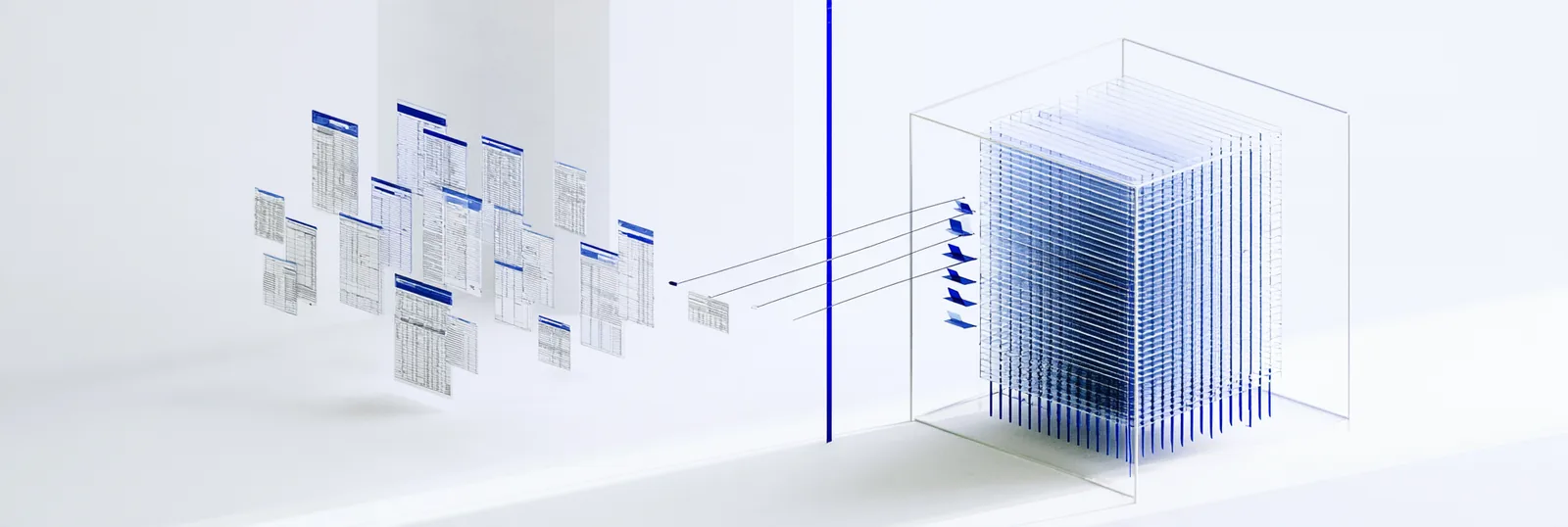
What this already costs you
What an unverified company record costs you: nobody budgets for it, everybody pays it.
It does not arrive as an invoice. It arrives as weeks, as senior people doing clerical work, and as a price you accepted because the buyer could not get comfortable in the time available.
You assemble it again every time
Each investor, lender and auditor gets a pack built from scratch, usually by the most expensive people in the building, usually at the worst moment.
Ask yourself
How many weeks does a full pack take you, and does it agree with the last one you sent?
The gaps surface at the worst time
A missing consent, an unsigned amendment, two documents that disagree. Found in your own data room it is an afternoon. Found in theirs it is a discount.
Ask yourself
When did you last learn something about your own company from a buyer's lawyer?
Opacity gets priced in
What cannot be checked quickly is discounted, or gets more conditions attached. That never appears on any invoice, and it is the most expensive line here.
Ask yourself
What did the last round or facility cost you in terms you would not have accepted?
What you get
What is Stobox Intelligence? The record everyone keeps asking you for, in two to six weeks.
Once. After that it stays current, and every future request is a link rather than a fire drill.
One record of your company
Ownership, structure, financials, contracts, valuations and the asset itself, in one place instead of eleven folders.
Every answer with its evidence
Value, source document, date, and how provable it is. Nothing in the record is an assertion.
A named list of what is missing
Your gaps and your contradictions, in the order that they block you, rather than in the order we found them.
A data-room index you can send
One link that a counterparty reads for free, in the order they care about, without you assembling anything.
A history you can point at
Nothing is overwritten. You can show what was true in March and what is true now, and prove which is which.
Something you keep
Export the record with the evidence attached and walk away with it. Re-export is free, forever.
Before you commit anything
See what your record looks like before you commit anything.
Register, hand over what you already have, and read your own gaps. No card, and nobody calls you unless you ask.
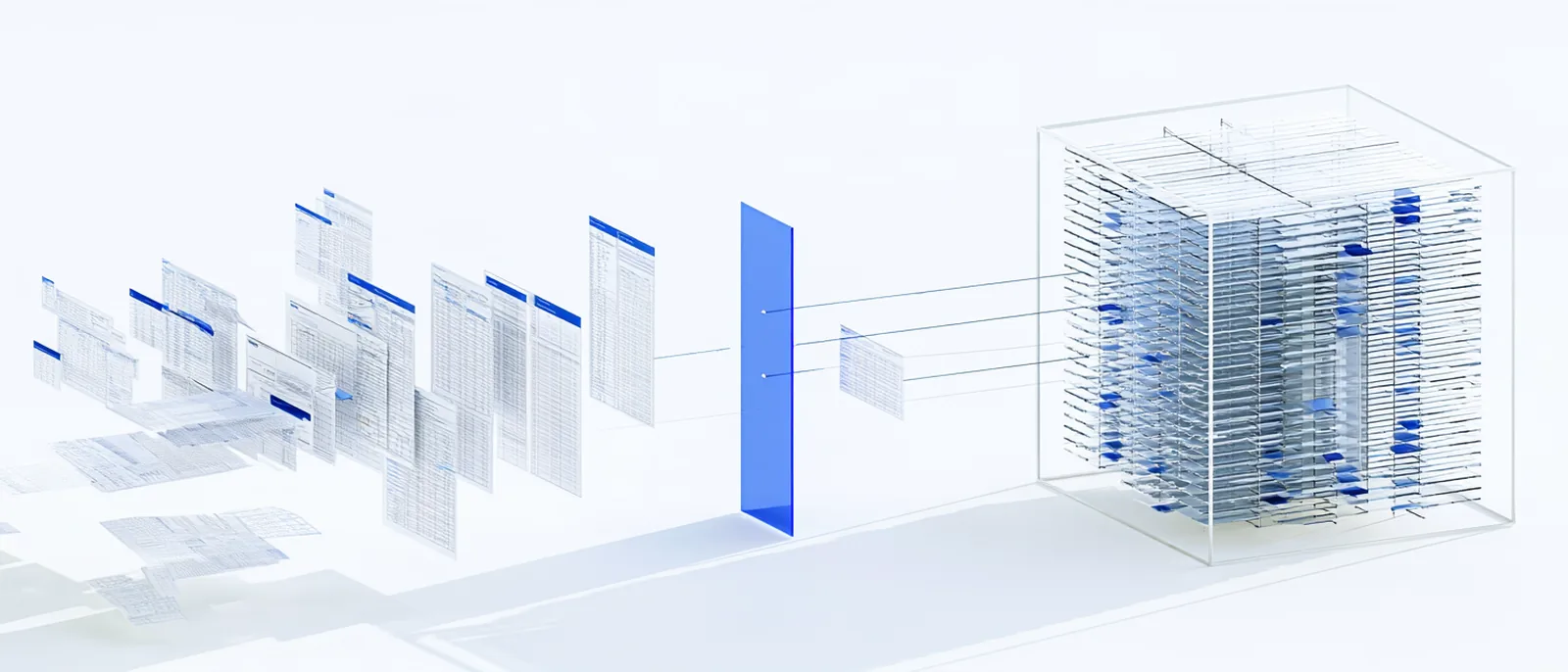
How it works
How a verified company record works: you answer with documents, not with forms.
People expect a dashboard. It is not one. It is the register of questions companies actually get asked, and you answer them by handing over paper you already have. You never type a number we could have read.
You hand over documents
Articles, cap table, statements, appraisals, contracts. Whatever exists, in whatever shape it is in.
We read each one and pull out the answers it contains.
You see every answer before it lands
Nothing is recorded silently. Each value is shown to you next to the document and the page it came from.
You confirm it, correct it, or replace the document.
Each answer is marked with how provable it is
Your word and an auditor's statement are both allowed in. They are never allowed to look the same.
A counterparty checks a figure without coming back to you.
It stays current, and it inherits
Answered once at company level and never asked again about each asset.
Your second deal is faster than your first.
Want to know where your own record stands before reading on?
The part nobody else does
Verified data with evidence: every answer says who is behind it, not how good it sounds.
This is the difference between a data room and a record. A number in a spreadsheet and the same number in an audited statement are not the same fact, and pretending otherwise is exactly what collapses in diligence.
-
T0Unverified
Your word
You told us. Nothing behind it yet.
-
T1Unverified
Your summary
A deck, a memo, a sheet you prepared.
-
T2Traceable
Your systems
Pulled from software you run, not retyped by hand.
-
T3Traceable
Your books
The accounting system of record.
-
T4Proven
Signed by the other side
A contract, a confirmation, a countersignature.
-
T5Proven
Issued by an authority
A registry, a regulator, a licensed valuer, an auditor.
A tier says who stands behind an answer, never how good it is. Nothing here is marked as an opinion, and nothing is a judgement about you. The practical effect: the conversation stops being an argument about whether a number is right, and becomes a short list of what to go and get.
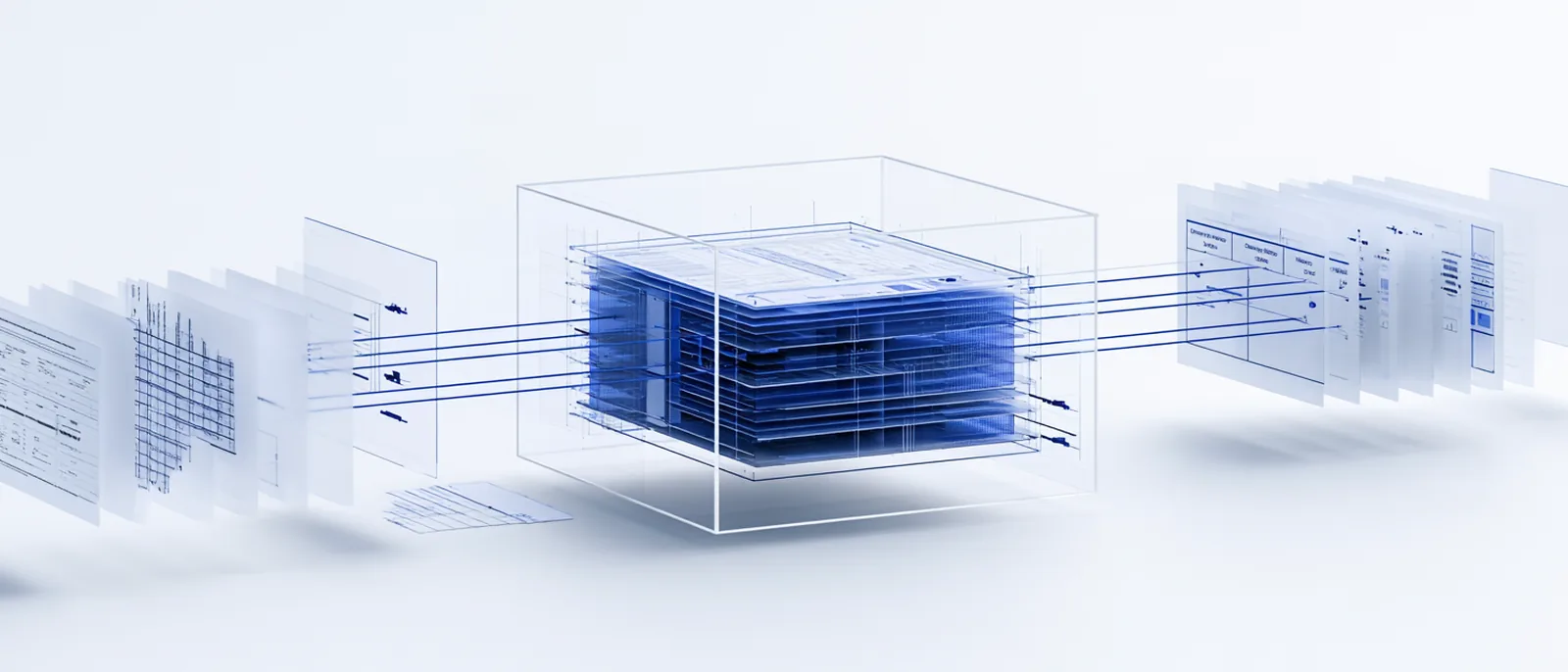
Who it is for
Who Stobox Intelligence is for: asset owners, investors and placement agents.
The record is the same. What it is worth depends on which side of the table you sit on.
You own the asset
Property, energy, commodities, private credit, operating companies
The same questions arrive from every investor, lender and platform, and you answer them from scratch each time.
What changes
You build it once and reuse it, and the second deal is faster than the first.
You invest
Funds, venture, private equity, family offices
Every issuer hands you a data room built to their own taste, so nothing is comparable and screening stays manual.
What changes
You look at more deals with the same people, and stop discarding good ones unread.
You place capital for others
Investment banks, broker-dealers, placement agents
You qualify deal flow, then repackage it for your own investors, by hand, every time.
What changes
The issuer's material arrives in a shape you can show onward without rebuilding it.
What it looks like when it is built
What a company record looks like: a graph, whether or not anyone draws it.
Below is the record of one company, drawn live. Twelve divisions, their units and teams, and under those the things a business actually keeps, down to a single line on an invoice. Blue is what the company owns and signs. Navy is the world it has to watch: regulators, the market, suppliers, everything arriving from outside. Drag it, zoom into it, open any page.
- Under it
- Owner
- Source
- Updated
- The company record What it owns, signs, files and decides
- The world it watches Regulators, market, suppliers, and everything arriving from outside
Nothing here is a picture of a product. It is the shape of the thing itself: every page linked to the ones it belongs with, down to a single line on an invoice. A folder tree holds the same documents and can show you none of these connections.
Your decisions, numbers and clients live in heads and chats, so the AI you bought has nothing to read.
I built one for myself first. In its first seventy-two hours it found three things nobody had noticed in months: a wrong phone number we had published, sixteen inquiries a form had quietly rejected, and a $2,800 gap between the bank and the journal.
The obvious objection
Why not build a company record yourself with AI?
You can, and for some work you should. We are not competing with the model, we are built on one. Four things a chat window does not give you.
The list of questions
Which facts capital actually requires, at which level of proof, in which order. That came out of eight years of deals and several hundred recorded decisions, and a prompt does not reconstruct it.
Checking, not generating
Generated is not verified. A verified answer means a process somebody is answerable for, and that is what the other side is actually trusting.
It has to hold still
A conversation drifts and cannot be cited six months later. A record is versioned, dated, and can be walked back through.
The other side has to accept it
Do it yourself and you have built one more bespoke data room, which is the thing you were trying to stop building.
The honest version: if this is a one-off and no capital event is coming, doing it yourself is enough, and we will tell you so on the call rather than sell you something.
Who does the work
Who builds the record: our specialists, with you, into one canonical record of your company.
Not a tool you are handed and left with. People who have done this on more than a hundred companies build one canonical layer of what is true about yours, with the evidence attached, and then keep it standing. Everything after that reads from it: a raise, a lender, an audit, a sale, the next asset.
They sit with your paperwork
Someone reads what you actually have: the articles, the amendments nobody filed, the two valuations that disagree. You are not left to interpret a checklist on your own.
They decide what counts as proof
Which document answers which question, and at which tier. That judgement is the product. It came out of eight years of deals, and it is the reason the other side accepts the record.
They keep it alive
A record that is right in March and stale in September is worth nothing in the room. The same people carry it forward as the company changes, so it is current the day you need it.
One canonical layer, one place the answer comes from. Ask it what you own, what it is worth, and who has a claim on it, and the answer arrives with the document behind it rather than with somebody's recollection.
Getting started
Stobox Intelligence pricing: start free, and your price appears once we can see the shape of the company.
There is no single number, because there is no single company. One entity with a clean cap table and a group with six subsidiaries are not the same job, and quoting them the same would be dishonest in one direction or the other.
Start without talking to anyone
Register, hand over what you already have, and read your own snapshot: what is missing, what contradicts, what is still unverified. One company, one user, no card.
The published lines are on the pricing page. The rest appears once we can see the company.
Start freeOr have us look at it with you
Groups, unusual ownership, several assets, an audit or a raise already in motion: tell us what you are dealing with and we will come back with a written scope and a number.
An answer within two working days, from the person who would run the work.
Tell us what you are dealing withHow we charge, either way
Your counterparties never pay
Anyone you share the record with reads it free and without limit. Investors do not pay to look at you.
Fixed scope, capped price
Where work is needed it is sold in capped blocks, never by the hour. If it takes us longer than the block, that is ours.
Never a percentage
We do not take a cut of anything you raise, at any point, on any product.
Before you upload anything
Your data and privacy: four commitments, made at the door.
Shown on the first screen, before a single document changes hands, and we sign the commitment to you, rather than asking you to sign one to us.
Your data is not sold
Not to a broker, not to a partner, not as an aggregate.
Your data does not train a model
Not ours, and not anybody else's.
Identity documents never reach us
Passports and personal identity checks are handled by the licensed party that does them, and stop there.
The record leaves with you
Export it and walk away, evidence attached. Re-export is free.

Every one of these reaches me. If your asset is not right for this, I would rather tell you that than sell you something.

Two ways in
Start with what you already have.
You do not need a clean company to begin. You need the documents you already own, and twenty minutes.
Prefer email? info@stobox.io.
Speak to a Stobox expert
Written scope and a number within two working days.
Speak to a Stobox expertOr bring the asset itself – thirty minutes, and we will say if the answer is no.
We do not sell your data. See the privacy summary.
Three steps to a call
How to start with Stobox: from a readiness score to a call.
Each step is optional, and you can start at any of them.
Take the Readiness Score
Twenty-five questions across seven dimensions. You get a score and a plain list of what is missing, before anyone talks to you.
Join Founder Office Hours
Forty minutes on Zoom with Gene Deyev, Founder and CEO of Stobox. Mondays 1 PM ET and Thursdays 2 PM ET. Bring your questions.
Book a call about your asset
Thirty minutes on your company and your asset. If the answer is no, we will say so.