Built with Raisable, distributed by Stobox
Your lawyer should be judging the deal, not typing it.
A memorandum, a subscription agreement, Form D, risk factors and a data room. Most of that is transcription from facts you already hold. Raisable writes the package from your record in days, your counsel reviews a near-final draft and signs it, and a licensed broker-dealer runs the sale.
- Flata fixed fee per dated raise window
- 0%of what you raise, at any size, ever
- 7exemptions and regimes prepared, United States and Europe
- Not a law firm
- Not a broker-dealer
- Never a percentage

What a raise costs you now
What stops a regulated capital raise: not the rules, the preparation.
Nothing here is a legal obstacle. It is months of drafting, a fee that scales with your success, and the difficulty of finding two professionals who have done this with a tokenized security before.
Months of blank-page drafting
A memorandum, a subscription agreement, Form D, risk factors and a data room, each written from nothing by the most expensive hour in the process.
Ask yourself
How much of your last legal bill was judgement, and how much was typing?
A percentage of everything you raise
A placement agent's cut grows the better the raise goes, which is the one arrangement that punishes you for succeeding.
Ask yourself
What did the last intermediary take, and what did they do that a document could not?
Nobody who has done it with a token
A clean raise needs counsel and a broker-dealer who have both seen a tokenized security before. Finding either one is most of the delay.
Ask yourself
How long did it take to find a lawyer who did not need the concept explained first?
The document engine
Offering documents for a private placement: six, written from one record.
This is the part that takes a law firm months, and most of it is transcription. Raisable assembles the package from the facts already in your record, which is why the numbers agree with each other.
Disclosure
Private placement memorandum
The document an investor and their lawyer actually read, drafted against the exemption you chose.
Generated from your record
Agreement
Subscription agreement
The terms an investor signs, consistent with the memorandum rather than adjacent to it.
Generated from your record
Filing
Form D
The SEC filing, prepared from the same figures as everything else in the package.
Prepared from your record
Investor
Investor questionnaire
Accreditation and eligibility, collected in the shape the broker-dealer expects.
Generated from your record
Disclosure
Risk factors and use of proceeds
The two sections that get read hardest, written from your record rather than from a template of somebody else's risks.
Generated from your record
Diligence
Data room
Assembled and indexed from documents you already gave us, in the order a reader works through them.
Assembled from your record
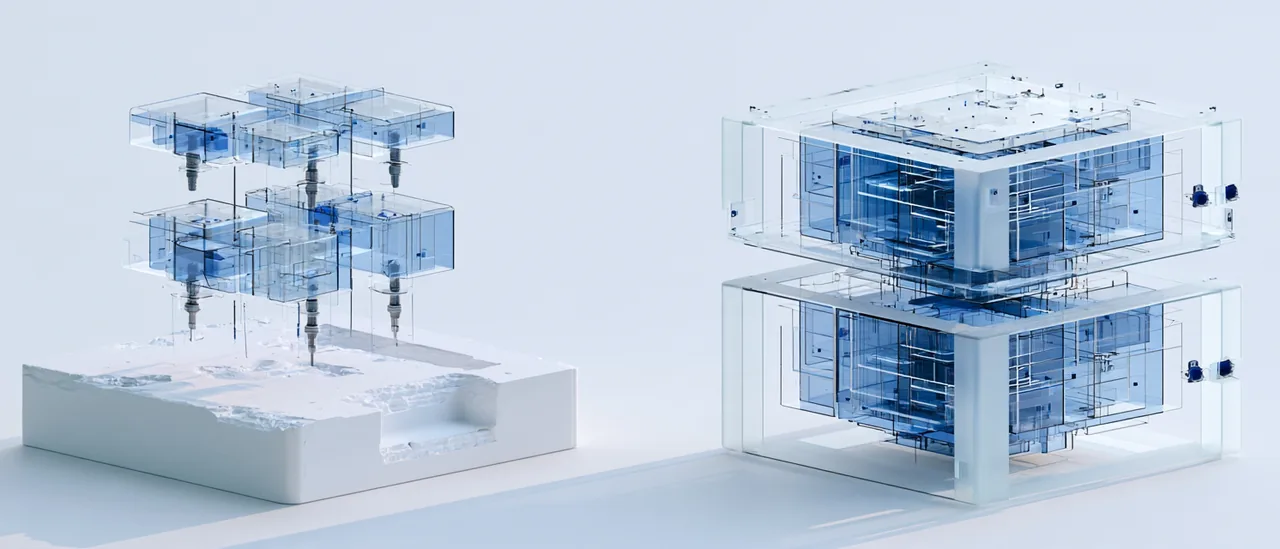
Every figure is the same figure in every document. Inconsistent numbers across a package is the most common reason diligence stalls, and it happens because five documents were typed by different people at different times from different drafts.
Four parties, four jobs
Who does what in a regulated raise: we are not your lawyer and not the broker, by design.
A regulated raise touches work that only licensed people may do. So the work splits four ways, each part sits with whoever is licensed to do it, and nobody signs anything they did not judge.
The engine drafts
From your record, never from a blank page and never from a template with another company's facts in it. Every figure is the same figure in every document.
RaisableOur specialists finalize
The package is reviewed and tightened to the standard a broker-dealer will accept, so counsel opens a near-final draft rather than a first one.
StoboxYour counsel signs off
Bring your own securities lawyer, or take a matched one with a seat inside the project. They are responsible for the filed documents.
Your lawyerA licensed broker-dealer sells
Where the sale is brokered, the broker-dealer must be registered, because success-based pay is transaction-based compensation. The success fee is charged by them.
Licensed partner
Raisable is not a law firm and gives no legal advice. Your counsel does, and your counsel is responsible for the filed documents.
We prepare documents and run the workflow. That distinction is what lets the price be flat, because we are never paid for the outcome of a sale we are not allowed to make.
The sale is theirs
The broker-dealer’s role: a licensed broker-dealer clears the raise, and the success fee is theirs too.
Where a sale is brokered, the broker-dealer must be registered, because pay tied to a completed sale is transaction-based compensation. Some exemptions allow a self-directed window, and your counsel decides which applies. We route a brokered offering to vetted partners and charge nothing that depends on whether the round closes.
-
Offerings that need a registered broker-dealer in the United States run through them.
-
Trading venue
tZERO
SEC-regulated trading infrastructure for tokenized securities, for listing after the raise. Memorandum of understanding announced March 2026.
-
Where the exemption allows
Self-directed windows
Some exemptions let you run the window yourself. Where that is true we say so, rather than routing you through a fee you did not need.

Stobox is a technology provider. Regulated activity runs through licensed firms.
What we prepare
Reg D, Reg S, Reg CF and Reg A+: each exemption is its own dated window.
Picking the wrong one is expensive and picking late is worse. We map the exemption to the raise, prepare it as a ninety-day window with its own price, and run several as several windows when a round needs tranches.
United States · four exemptions
506(b) / 506(c)
The workhorse private placement, mostly to accredited investors. The fastest path for a typical round.
Crowdfunding
Raise from the public up to a cap, with lighter requirements. Filed on Form C.
Reg A+
Mini-IPO
Higher disclosure, but you can raise more and market broadly to investors who are not accredited. Form 1-A.
Reg S
Offshore
For investors outside the United States, often run as a tranche alongside a domestic Reg D.
Europe and the United Kingdom · three regimes
EU
Prospectus Regulation and MiFID II
Common reliefs for qualified investors, offers under 150 people, or below the public-offer threshold.
UK
FCA, POATRs
Since January 2026 public offers in the United Kingdom run under the Public Offers and Admissions to Trading Regulations.
Switzerland
FinSA, FINMA
No prospectus for offers to professional investors, fewer than 500 investors, or commitments above CHF 100,000.
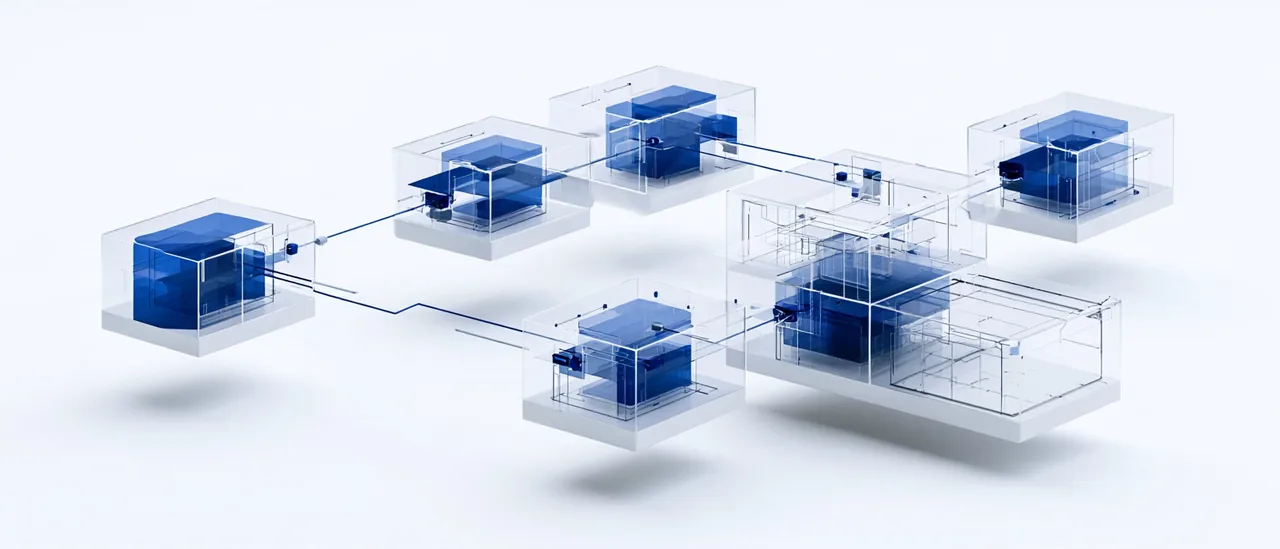
Raisable prepares offerings to these standards. The regulated sale in each jurisdiction is conducted by a locally licensed firm.
Counsel and accountants
Working with securities counsel: your lawyer gets a seat, not an email thread.
The single biggest predictor of a clean raise is securities counsel who has done tokenization before. If you have one, they work inside the project. If you do not, we introduce you to one.
Attorney seat
Securities counsel
Matched by asset type, jurisdiction and exemption if you need one, with a seat inside your project either way.
- They open a near-final package, not a blank page
- The bill goes to judgement rather than drafting
- They sign off and are responsible for the filed documents
Reviewer seat
Your accountant
The financial sections come from the same record as everything else, so the review is a check rather than a reconstruction.
- Figures trace to the document they came from
- One set of numbers across the whole package
- Changes are new events, never silent edits
Want the six documents for your own raise? Start with the score.
How it goes
How a capital raise with Raisable works: four steps, and the long one is not yours.
The structuring is reused from your record, so what used to be three months of drafting becomes a guided window with a date on it.
Bring your record
If the facts are already in order, we start from them. If they are not, that is Stobox Intelligence, and it is the step before this one.
Pick the exemption
We map the right one to your raise and open it as its own dated ninety-day window. Several tranches can run as several windows.
We prepare, your counsel signs
You review a near-final package rather than a blank page, and your lawyer signs what they judged.
The broker-dealer clears the sale
Investors commit, verify, sign, pay and receive. Any success fee is charged by the licensed firm, never by us.
Two to four weeks
Want your documents aligned to the criteria regulated finance works to, in two to four weeks?
Tell us the asset, the size and the jurisdiction. We come back with a written scope, the exemption we would use, and a flat price for the window.
A near-final package, not a blank page
Your counsel opens a draft to judge in days, rather than one to write over months.
One set of figures across all six documents
Inconsistent numbers are the most common reason diligence stalls. Here there is one source for every figure.
Drafted against the exemption you chose
Reg D, CF, A+, S, or the EU, UK and Swiss regimes. Prepared to the standard a broker-dealer accepts.
A flat fee for the window
Priced up front, per dated ninety-day window. Never a percentage of what you raise.
What it costs
Raisable pricing: a flat fee for the window, never a percentage of your raise.
There is no single number, because a self-directed window and a brokered one at ten times the size are not the same job. What does not change is the shape: you pay for the window, not for the outcome.
See the price when you register
Open an account, tell us the asset, the size and the jurisdiction, and the window prices appear for your situation. No card to look.
Any success or capital-raised fee is charged by the licensed broker-dealer, and never by us.
Start a raise windowOr have us scope it first
Several tranches, an unusual asset, a jurisdiction outside the seven, or a round already in motion: tell us what you are dealing with and we come back with a written scope and a number.
An answer within two working days, from the person who would run the work.
Tell us what you are raisingWhat does not change
Never a percentage
We do not take a cut of anything you raise, at any size, on any product.
Windows are dated
Ninety days, priced up front. A second tranche is a second window, not a surprise.
Self-directed where allowed
If the exemption lets you run it yourself, we say so instead of routing you through a fee.

Every one of these reaches me. If your asset is not right for this, I would rather tell you that than sell you something.

Two ways in
Tell us what you are raising.
Open an account and open a window on your own, or write to us first and we will read it before anything is signed up for.
Prefer email? info@stobox.io.
Start on your own
Open an account, pick the exemption, see the window price. No card.
Start a raise windowHave us read it first
Tell us about the round and get an answer within two working days.
Speak to a Stobox expertOr bring the asset itself – thirty minutes, and we will say if the answer is no.
We do not sell your data. See the privacy summary.
Three steps to a call
How to start with Stobox: from a readiness score to a call.
Each step is optional, and you can start at any of them.
Take the Readiness Score
Twenty-five questions across seven dimensions. You get a score and a plain list of what is missing, before anyone talks to you.
Join Founder Office Hours
Forty minutes on Zoom with Gene Deyev, Founder and CEO of Stobox. Mondays 1 PM ET and Thursdays 2 PM ET. Bring your questions.
Book a call about your asset
Thirty minutes on your company and your asset. If the answer is no, we will say so.