The Tokenization Framework checklist: what each phase hands on
Eight phases, and the one thing you should be holding at the end of each before the next one starts.
By Gene Deyev, Founder and CEO of Stobox · Last updated 12 September 2026
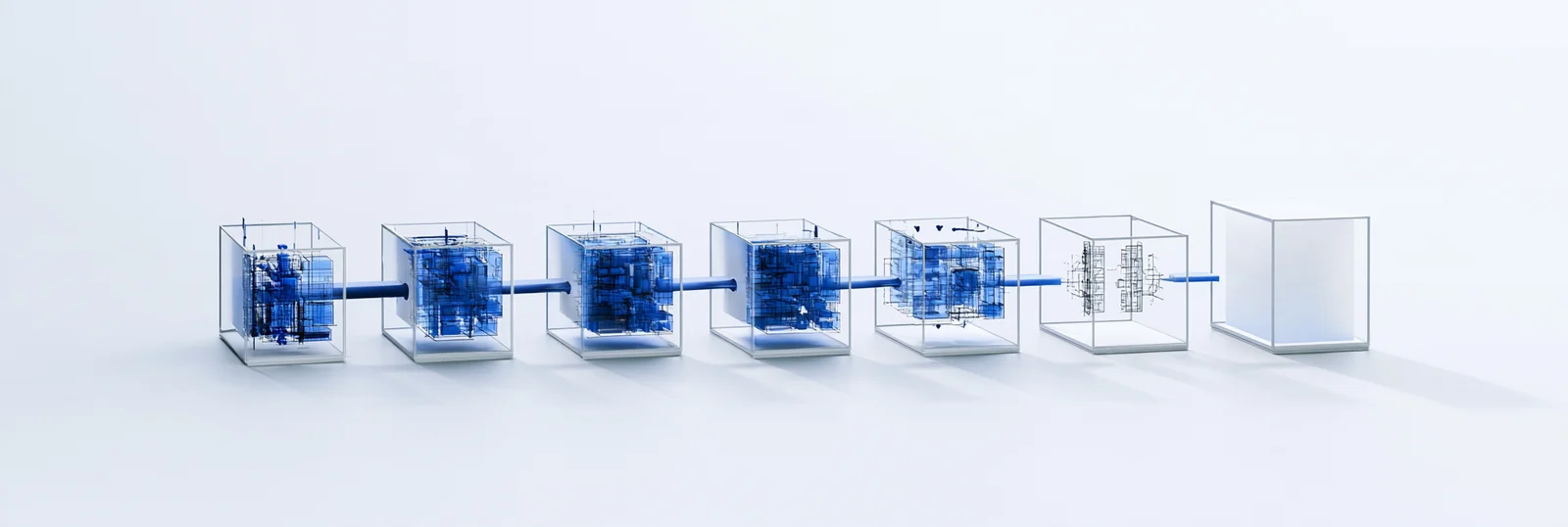
The Tokenization Framework, written by Gene Deyev, runs in eight phases, and each one ends with something concrete in hand. If you do not hold it, the next phase is being built on a guess. This page lists those outputs in order, one line per phase.
It is drawn from the closing section of each phase page, “what you carry into the next phase”: 8 phases, 48 steps, 8 concrete outputs. The framework hub has the steps; the phase pages have the long form. The stakes sit in phase 6: the legal file it closes runs $50,000–$200,000+ when drafted at a law firm (third-party ranges researched July 2026 for the tokenization cost index). And the pathway decision of phase 3 is a securities decision wherever the token lives – the SEC’s staff statement of 28 January 2026 confirmed the technological format does not alter a security’s legal character.
The checklist
| Phase | What you hold when it closes |
|---|---|
| 1. Strategy | A strategic profile: the structural model, your objectives, the asset class and the underlying asset, an estimated value, the asset’s jurisdiction, and your target investors and markets. |
| 2. Asset structuring | A verifiable asset record: scope, valuation, ownership, insurance and, where relevant, proof of reserves. |
| 3. Tokenization model | Three settled decisions: the token’s securities classification, the offering pathway in each target jurisdiction, and the model that defines investor rights and how value flows. |
| 4. Token economics | A fully specified token: type, subtype, yield, rights, supply, price and on-chain parameters. |
| 5. Issuing framework | A constituted issuing entity, the governance approvals that attach the token to it, and a clear read on licensing. |
| 6. Legal documentation | A complete legal file: vehicle-to-asset link, governance records, issuer policies, legal verification of the issuance, a legal opinion, tax structuring and the offering documents for your pathway. |
| 7. Validation and deployment | A live on-chain security token, a signed risk disclosure statement, and a token deployment report confirming what was deployed. |
| 8. The offering | Registration status recorded, an ISIN assigned, settlement stablecoin and network selected, sale parameters set, the purchase agreement executed and the offering legally verified. |
How to use it
Read it from the top and stop at the first phase whose output you cannot show a stranger. That is the phase you are actually at, whatever the project plan says. 100+ companies have been through the framework since 2018. Phases one to three decide how long everything else takes; most delays trace back to an output from one of them that was assumed rather than held. The on-chain step is the small one: phase 7’s deployment lands on a published securities-token standard such as ERC-7943, Final as Ethereum’s RWA standard since May 2026.
A missing output is usually a record gap: a fact nobody can source. The free record gap check finds those in a data-room index, and the documents phase six needs are on one page in legal documents by offering type.
Questions this raises
The framework checklist, answered briefly.
What are the eight phases of the Tokenization Framework?
Strategy, asset structuring, tokenization model, token economics, issuing framework, legal documentation, validation and deployment, and the offering.
Who wrote the Tokenization Framework?
Gene Deyev, Founder and CEO of Stobox. Stobox publishes it in full on stobox.io, with nothing behind a form.
Which phase should I start with?
Phase one, unless you already hold its output. Most projects that start at phase four end up back at phase one.
Educational reference. ← Back to the framework
